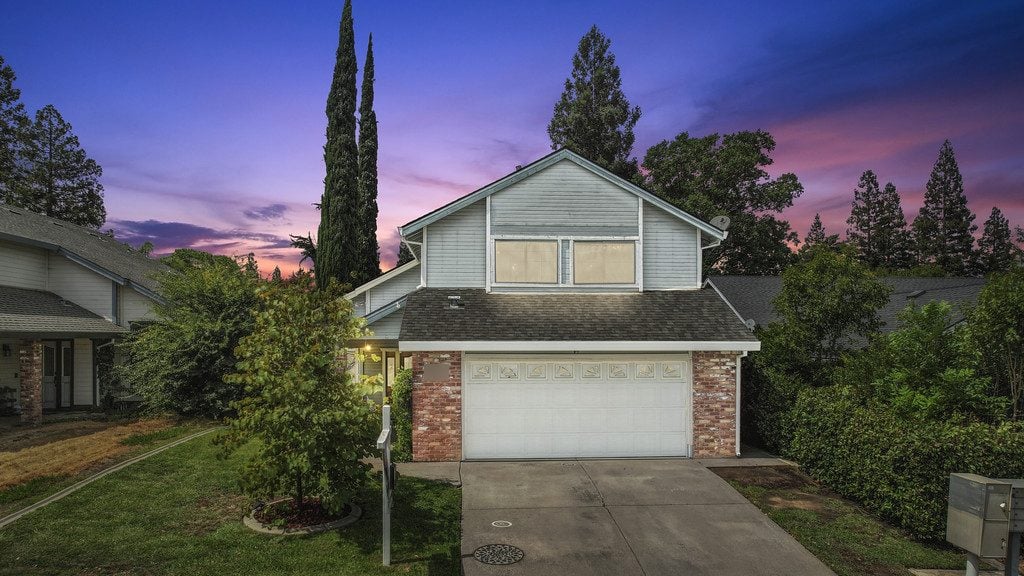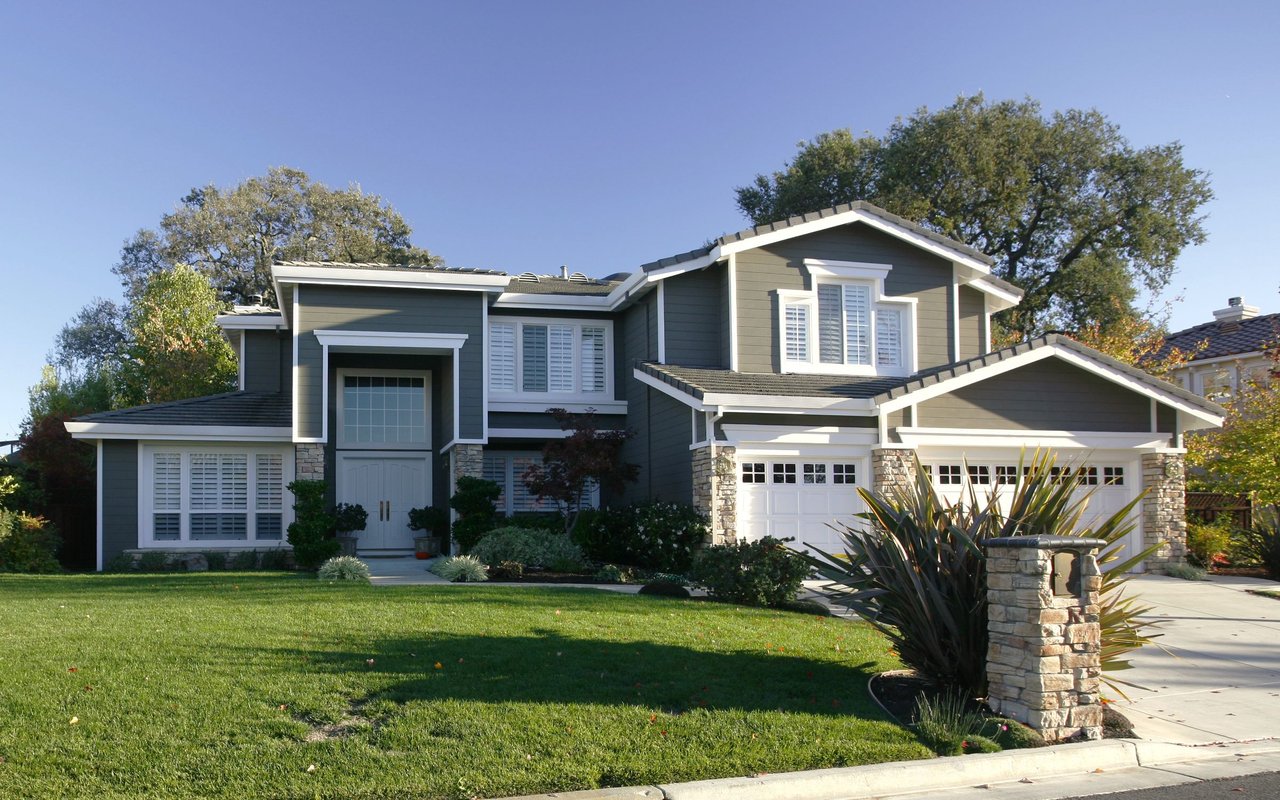
How do I price my home correctly in the Placer County market?
Accurate pricing in Placer County requires a current Comparative Market Analysis using active listings, pending sales, and closed comparables within 90 days — not automated estimates. The first two weeks of a listing are the most valuable window, and overpricing that window almost always results in price reductions, longer days on market, and a lower final sale price.
If there is one thing that separates a clean sale from a difficult one in the Placer County market, it is the first price. Not the eventual price, not the post-reduction price, not the price you land on after 45 days on the market and two uncomfortable conversations with your agent. The first price — the number you come out at when the listing goes live.
Getting that number right is part science, part local knowledge, and part discipline. Here is how I approach it, and what every Placer County seller should understand before they list.
Why the first price matters more than the final price
The first week of a listing is when your home is most visible, most interesting to buyers, and most likely to generate the kind of offer activity that leads to a strong outcome. Buyers and their agents monitor new listings closely. Showing requests spike in the first 3–7 days. If the price is accurate and the home shows well, offers follow.
Overpricing that window has a predictable consequence: the home sits. Days on market accumulate. Buyers who would have been interested at the right price assume something is wrong — because in their experience, homes that sit usually have a problem. The price reduction that follows signals confirmation of those concerns, not a correction of them. The resulting offers, when they come, are softer than what you would have received at a well-priced launch.
I have seen sellers net more money on a well-priced listing that generated multiple offers in the first week than on a comparable home that started too high and eventually accepted an offer after 60 days — even when the final sale prices looked similar. The difference was negotiating from strength versus negotiating from fatigue.
What accurate pricing actually requires
A current Comparative Market Analysis — not an automated estimate
Zillow's Zestimate. Redfin's estimate. The number your neighbor told you. None of these are pricing tools. They are algorithms trained on broad datasets with no knowledge of your home's specific condition, location within the community, lot attributes, or recent upgrades.
A Comparative Market Analysis (CMA) prepared by an experienced local agent is a fundamentally different document. It draws on active listings (your competition), pending sales (the clearest current demand signal), and closed sales within the last 60–90 days (the most recent transaction evidence). Each comparable is analyzed for relevance — square footage, lot size, bedroom and bathroom count, condition, and proximity to your specific address. The result is a defensible price range backed by evidence that exists in the current market.
Adjustments for what your home has that comparables do not — and vice versa
No two homes are identical, which means a CMA is only as good as the adjustments applied to the comparables. A home with a pool in a neighborhood where pools are uncommon needs an upward adjustment. A home on a busy street in a community where most comparables sit on quiet cul-de-sacs needs a downward one. A recently renovated kitchen in a neighborhood of original-condition homes is an asset. Deferred maintenance is not.
These adjustments require experience and local knowledge that no algorithm can replicate. I have been doing this work in Placer County for years, and the adjustments I apply are based on what actually moved the needle in recent transactions — not what sounds reasonable.
Community-specific pricing dynamics
Roseville and Rocklin ($600K–$1.1M)
This is the most active and data-rich segment of the Placer County market. Comps are plentiful, and buyers in this range are well-informed. Pricing precision matters enormously because buyers here are comparing your home against a dozen others they have already toured. A $25,000 misalignment in either direction is noticeable. Being $25K over the market means extended time on market. Being $25K under it means money left on the table. The goal is precision — and the data supports it.
Granite Bay and Loomis ($900K–$2M+)
Estate pricing is an art because the comparables are fewer, more varied, and often less directly applicable. Two homes in Granite Bay separated by a few streets can trade at prices that look inconsistent — because lot position, privacy, views, and custom features matter more than square footage alone. In this segment, I rely heavily on the qualitative attributes of your property and what I know about the active buyer pool to arrive at a defensible, strategic price.
Lincoln and Auburn ($500K–$900K)
Lincoln has seen meaningful inventory growth as builders have been active. That additional supply means buyers have alternatives and pricing has less room for aspirational stretch. Auburn's market is more limited in inventory but also more varied in property type — from newer subdivisions to rural acreage — making hyper-local CMA work essential.
Image Goes Here
Frequently asked questions
How accurate are online home value estimates for Placer County homes?
Online estimates — Zillow, Redfin, and others — have improved over time but remain significantly less accurate than a current, agent-prepared CMA in Placer County. The error margin for automated estimates on single-family homes in this region can range from 5–15% in either direction. On a $1 million home, that is a $50,000–$150,000 error range. For most sellers, that is not a precision level worth relying on.
Should I price high and expect to negotiate down?
In most cases, no. The strategy of pricing high and expecting negotiation works in markets where buyers are highly motivated, inventory is severely constrained, and days on market carry no stigma. Placer County in 2026 is a more balanced market. Buyers are deliberate, they are informed, and they have options. Overpriced homes lose their best buyers to better-priced competition in the first two weeks.
What is the best time of year to list in Placer County?
Spring — March through June — is historically the most active listing period in Placer County, driven by families wanting to move before the school year and the general psychological lift of warmer weather and longer days. That said, less competition in fall and winter can sometimes produce better outcomes for individual sellers. The best time to list your home is when your home is ready and the market supports it — not when the calendar says you should.
If you are considering listing your home and want an honest read on what it is worth in today's market, I am ready to walk your property and prepare a current CMA at no cost and no obligation. Call or text me at 530.798.3400, or visit SellingPlacer.com to schedule a private valuation. Parris Krygsman | REALTOR® | Coldwell Banker Global Luxury Specialist | CalDRE #01122830. Who You Work With Matters.